


Everyone in urban planning loves to talk about “third places,” but we rarely talk about who actually pays for them.
Ray Oldenburg coined the term decades ago to describe the spots that aren’t home and aren’t work. The places you just go. It isn’t an academic concept once you’ve felt it. It’s that specific sense of belonging to a neighborhood without having to try particularly hard. It’s the “weak ties” that planners talk about: the casual nods and three-minute conversations that turn a map of houses into an actual community.
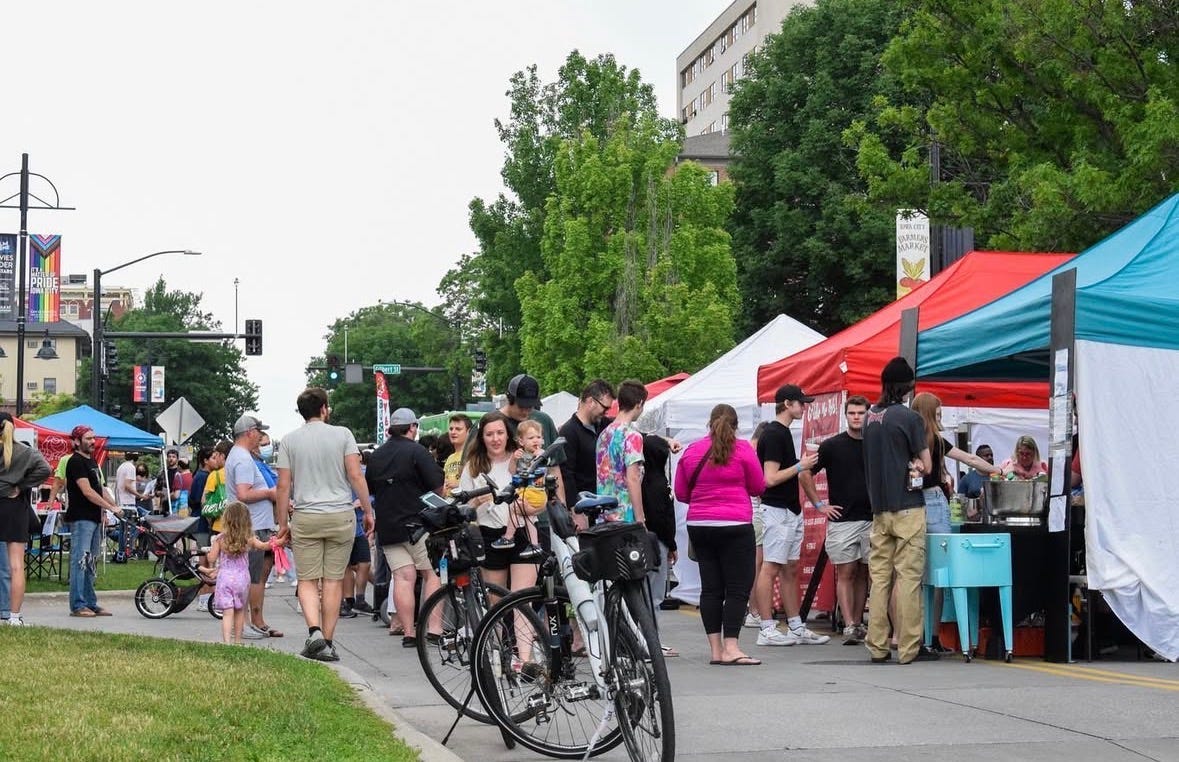
You see it in the local coffee shop that basically functions as a neighborhood living room, or the dive bar where you always run into someone you know. Even the public library, which is essentially a free coworking space for freelancers and retirees, does this heavy lifting. In Iowa City, the farmers market serves as an anchor for the community and serendipitous encounters.
These aren’t “amenities” or “experiential retail”. They’re just familiar, accessible spaces and rituals that hold a neighborhood together.
But here is the problem I keep running into.
When you start developing buildings, your perspective shifts. You start seeing things differently. You start looking at floor plans and seeing net rentable square footage, debt coverage ratios, and yield targets. And the tension is immediate: most of these vital “third spaces” operate on razor-thin margins.
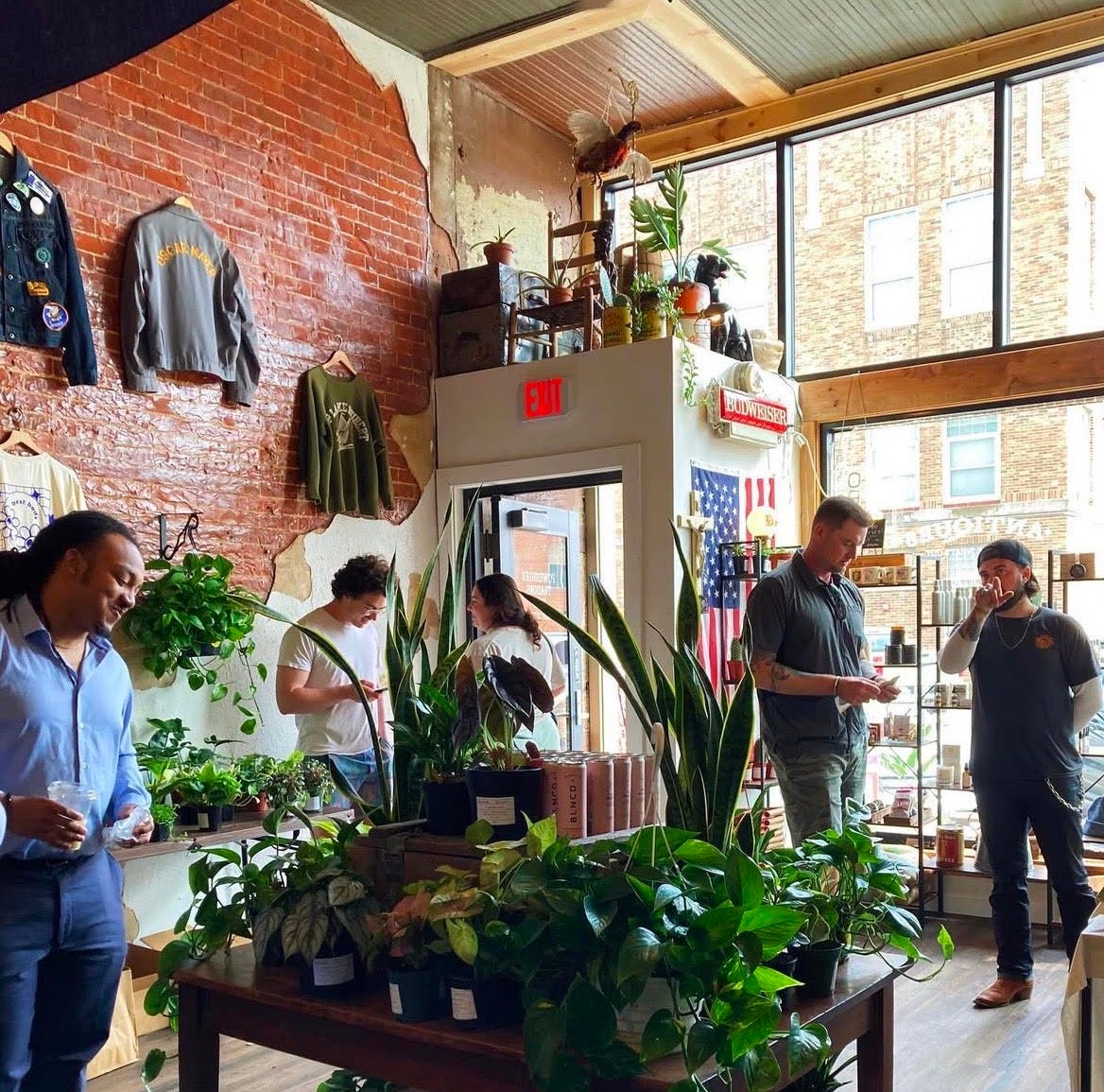
A local independent café usually can’t pay the same rent as a national bank or a corporate pharmacy. If we price every square foot of ground-floor retail for “maximum rent,” we effectively banish the very operators who make the neighborhood worth living in.
This is where the capital stack becomes a moral decision.
At AstraCommons, our thesis is that real estate either isolates people or connects them. Mixed-use buildings are one of the clearest tools we have to choose connection. But for a building to actually participate in street life rather than just turning its back on the sidewalk, we have to stop treating the ground floor as a standalone rent check.
It’s all one system.
Sometimes that means the residential income from the units upstairs acts as a stabilizer, giving a small, local operator downstairs the breathing room they need to survive. Other times, it’s about accepting a slightly lower rent today because you know a vibrant anchor tenant will lead to faster lease-ups and better tenant retention five years from now. It might even mean rethinking our partnership structures so the operator isn’t the only one carrying the risk.
This isn’t charity. It’s a deliberate financial design.
I’ve come to realize that these community hubs don’t just happen by accident, and they aren’t just a result of “good design.” They are a result of how deals are structured. If we want neighborhoods that feel like communities, we have to build the financial stacks that can actually support them.
Community doesn’t solely live in a 3D rendering. It lives in the math.
If this resonates or is the kind of work that you’re engaged in, let’s connect: stalley@astracommons.com